

After a snowfall, you clear the driveway, shovel the steps, and make a path to the garage. Small pipes coming through the side of the house are easy to overlook.
If those pipes serve your furnace, snow piled around them can interrupt your heat. Snow and ice can block furnace air-intake or exhaust openings, interfere with operation, and create a carbon monoxide hazard. Consumers Energy advises homeowners to keep furnace vents clear of snow and ice. Consumers Energy home safety guidance.
You don’t need a major storm for a problem to develop. Where the snow collects matters as much as how much falls.
Which outdoor pipes belong to the furnace?
Many high-efficiency gas furnaces vent through plastic piping that exits an exterior wall. Depending on the installation, you may see separate intake and exhaust pipes or a combined termination. Other furnaces vent through a chimney or a different approved arrangement.
An intake supplies air for combustion. An exhaust carries combustion gases outside. Neither opening should be covered or altered.
If you aren’t sure which pipes serve your furnace, ask your technician to identify them during a service visit. Take a photo so you know where to look after a storm. A dryer vent or plumbing vent may be nearby, and appearances alone aren’t enough to identify every opening.
Your equipment’s instructions matter, too. Lennox furnace manuals specifically call for checking vent openings after heavy snow, ice, or frozen fog because restrictions can develop. Lennox furnace owner guidance.
How vents get blocked
A vent can be clear when the snow stops and buried later.
Wind can push snow against the house. A snowblower can throw it toward a low vent, or repeated shoveling can gradually build a pile beneath the opening. Snow and ice falling from above can also affect equipment and vent areas.
After clearing a walkway beside the house, check where you put the snow. Keep piles away from vent openings, and let anyone clearing your driveway know where those openings are.
National Grid warns that snow and ice blocking appliance vents can cause equipment malfunctions and harmful carbon monoxide buildup. National Grid cold-weather safety guidance.
Could a blocked vent explain why the furnace stopped?
It could, particularly if the loss of heat began during or shortly after a storm. But the timing doesn’t prove that snow is the cause.
A furnace may interrupt operation when its controls detect an unsafe venting condition. Other problems can produce similar symptoms, so a furnace that stops, tries to restart, or fails to heat needs proper diagnosis.
Don’t bypass a safety switch or repeatedly reset the furnace to make it run. A shutdown is a reason to investigate, not a reason to override the equipment.
If you can safely reach the vent area from the ground, look for visible snow covering the openings. You do not need to remove furnace panels or take piping apart to make that observation.
What you can safely clear—and when to stop
If an opening is visibly blocked, turn the furnace off while the obstruction is addressed. From a safe position on the ground, gently brush away loose snow around accessible openings without pushing it into the pipes. Keep shovels and snowblower discharge away from the piping.
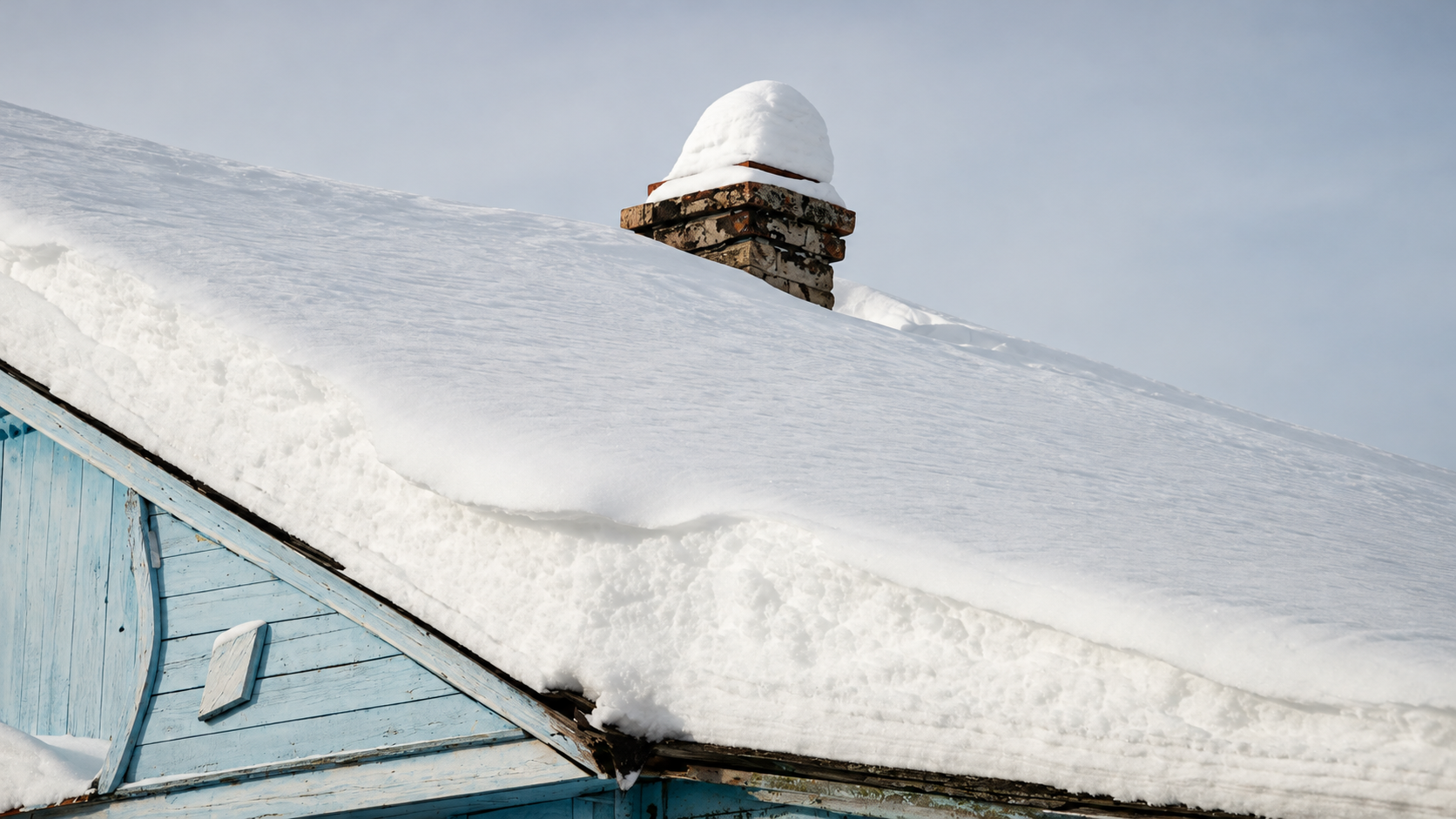
Leave hard ice, packed material inside a pipe, and anything you cannot reach safely to a professional. Don’t strike the pipe, insert tools into it, or use a flame to thaw it. Don’t climb onto an icy roof to check a chimney.
If a pipe looks cracked, loose, or displaced, keep the furnace off and arrange service. Visible openings alone don’t establish that the entire vent system is clear or undamaged.
For restarting, follow your equipment’s instructions. If heating does not resume normally, leave the furnace off and call for help.
If your carbon monoxide alarm sounds, leave the house
A blocked exhaust can prevent combustion gases from leaving the home properly. Carbon monoxide has no smell, so you cannot use odor to judge whether the house is safe.
If a carbon monoxide alarm sounds, get everyone outside into fresh air and call 911 from outside. Do not stay inside to troubleshoot the furnace, and do not re-enter until emergency responders say it is safe. Connecticut’s fire safety guidance explains the risks of snow-blocked appliance vents.
If the vent keeps icing up, have it checked
Repeated icing deserves more than repeated clearing. Ask a technician to inspect the vent arrangement and determine why the obstruction keeps returning. Don’t add an elbow, screen, cover, or pipe extension yourself; changes must meet the equipment’s installation requirements.
Vredevoogd provides heating repair and emergency service for Michigan homeowners. If your furnace stops after a storm, the vent is damaged, or ice keeps returning, schedule service and describe what you’ve noticed outside.