
Furnace Upgrade vs. Replacement: Should You Keep Your Current System?
Your furnace still heats the house, but you’ve started paying closer attention to it. Maybe it needed a repair last winter. Maybe the upstairs bedrooms stay cold, or the gas bill has climbed even though you haven’t changed the thermostat.
Does that mean you need a new furnace? Sometimes. Other problems can be addressed while keeping the equipment you have.
For Michigan homeowners, the decision starts with the furnace’s condition, the cause of the problem, and what you would spend to keep it running.
What does a furnace upgrade actually mean?
“Upgrade” can mean two things: making the heating system around your current furnace better or swapping the furnace for a model that uses less energy or has new features.
You may be able to keep your furnace and fix what’s bothering you. If a bedroom stays cold, for example, leaky ducts or poor airflow could be the cause. A compatible thermostat may give you better control over the temperature, too. Those improvements won’t address wear inside the furnace itself.
If you replace it, an upgrade might mean picking a model that uses energy better instead of one like your current furnace. This leads to two choices: Do you need a new furnace, and which features are worth the extra cost?
| What you’re dealing with | What to investigate first |
|---|---|
| A furnace that heats reliably but needs one repair | The repair cost, warranty coverage, and condition of the rest of the equipment |
| One room that stays cold | Airflow, ductwork, insulation, and air leaks |
| An older furnace with repeated breakdowns | A replacement estimate alongside the next repair estimate |
| Higher gas bills without an obvious heating problem | Fuel usage, utility rates, weather, and thermostat settings |
| A furnace you already plan to replace | Installed cost, efficiency, sizing, and features that address your comfort concerns |
Start with a diagnosis you can use
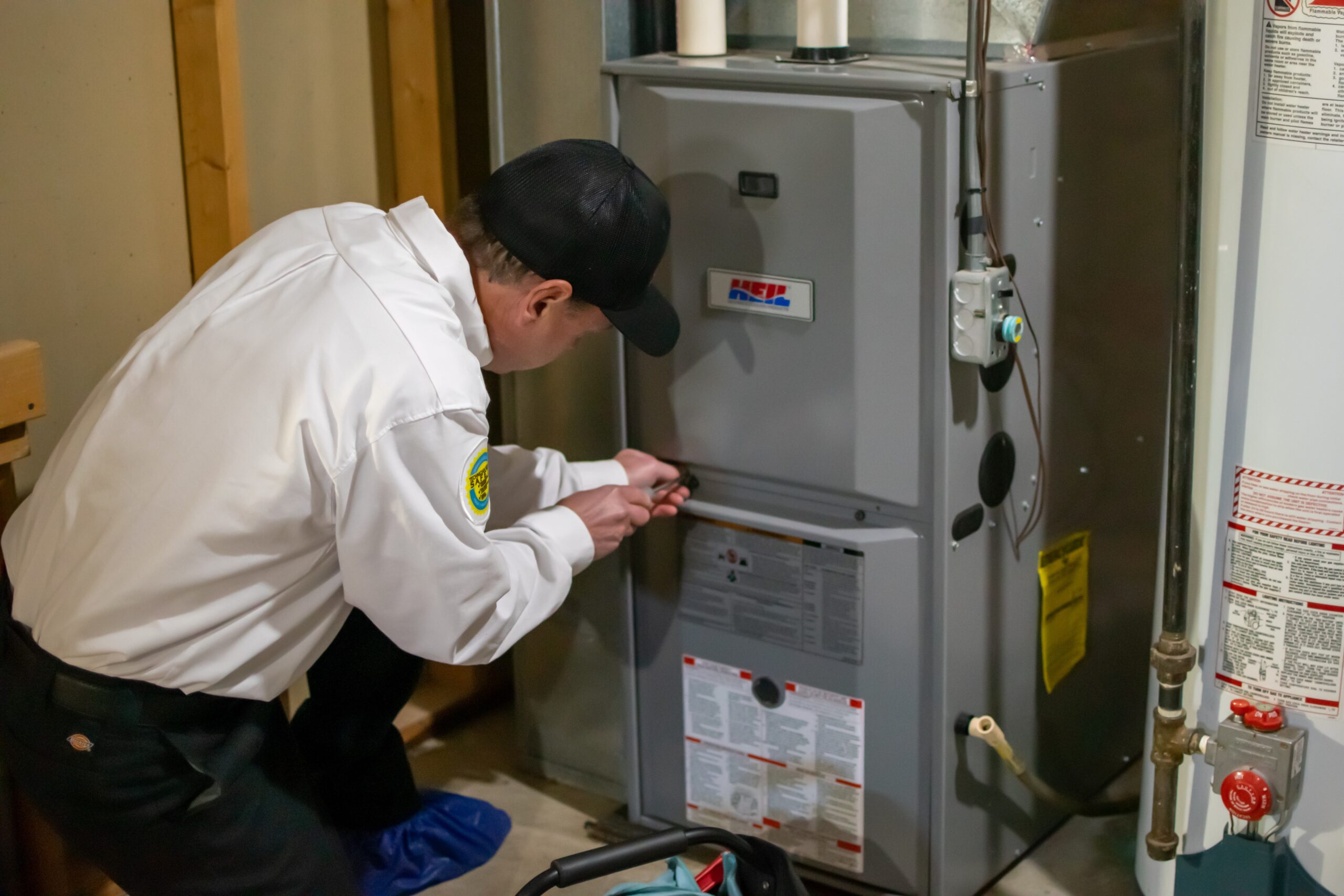
Before deciding, ask the technician to explain what broke and what the repair will fix. Saying “It’s old” doesn’t help as much as knowing exactly which part or safety issue is the problem.
Useful questions include:
- What is wrong, and how was it confirmed?
- Does the repair address the cause of the problem?
- Is any of the work covered by a warranty?
- Are there other documented problems with the furnace?
- Is it safe to operate while I consider my options?
Ask for the findings and estimates in writing. If replacement is recommended and the explanation is unclear, a second opinion can help you understand the decision. Keep equipment that has been identified as unsafe off until a qualified professional resolves the issue.
Vredevoogd offers furnace evaluations and replacement support based on the condition of your equipment and your home’s heating needs.
When keeping your furnace makes sense
Fixing the furnace makes sense if it has been reliable, the problem is limited, and the cost fits its condition. Check your warranty before looking at prices. Your actual repair cost might be quite different from the first estimate.
Also consider what you want from the repair. Fixing a reliable furnace is different from paying for another repair after many recent problems. Ask if the technician found other issues; no one can say exactly how long a repair will last.
If your main problem is uneven heating, check your house and duct system before buying new equipment. ENERGY STAR points out that duct issues and poor insulation can cause rooms to be too hot or cold. A new furnace alone might not fix these problems. ENERGY STAR replacement guidance.
When replacement deserves a closer look
Age matters more when you look at repair history and how well the furnace works. ENERGY STAR suggests thinking about replacement if your furnace is over 15 years old. This is a reason to check your options, not a strict rule.
An older furnace is more likely to need replacing if repairs happen often, a big repair is needed, or it can’t heat your home well anymore. ENERGY STAR replacement guidance.
Compare the cost of the next repair with a full replacement estimate. Include warranty details and any work needed to fix current heating issues. Money spent on past repairs shows a pattern but won’t be recovered whichever choice you make.
You can also get replacement quotes while the furnace is working. That gives you time to review the scope of work and decide what you would do if another repair becomes necessary.
Will using a more efficient furnace save enough money to make upgrading worth it?
Check the furnace’s annual fuel utilization efficiency, or AFUE. This number shows how much fuel energy turns into heat during a heating season. It doesn’t count electricity used via fans and controls or heat lost through ducts. U.S. Department of Energy heating guide.
For example, going from 80% AFUE to 95% AFUE could lower furnace fuel use by about 16% for the same heat. This assumes the furnace works at those efficiency levels. It doesn’t guarantee a 16% cut in your whole utility bill.
Ask for a savings estimate based on your home and heating habits. If you must replace the furnace, compare the extra cost of a more efficient model with its yearly savings. If your furnace can keep working, compare the full replacement cost.
Also ask what installation changes must be made. A high-efficiency furnace might need different venting and water drainage. The price of the furnace itself doesn’t show the total project cost. Department of Energy high-efficiency furnace guidance.
Questions homeowners ask before deciding
Should I replace a 30-year-old furnace that still works?
Start planning and get the furnace checked. Just because it heats doesn’t mean every part is okay, and age alone doesn’t show what’s broken.
Ask for detailed inspection results, repair choices, and a replacement cost. Then decide if fixing it makes sense or if you want to replace it before it breaks again.
My furnace runs more, and my bill went up. Is it wearing out?
These changes need a closer look but don’t explain the cause.
Compare how much gas you used, usually shown in therms, and the total cost. Check the billing period, rate changes, and if the weather was colder. Note any thermostat changes or new comfort issues. Bring this info to the service visit so the technician has more than just a higher bill to go on.
Is replacement worth it if I might move next year?
If you plan to move soon, you have less time to save money from an upgrade. If the furnace is safe and a fair repair will keep it working, keeping it might suit your plans.
If you need to replace it, compare good options without thinking you must buy the priciest model. Don’t expect to get back the full cost when you sell your home.
What should a replacement estimate include?
Ask for the model, efficiency rating, size, installation details, and written warranty. Have the contractor point out any needed duct, vent, drainage, or electrical work.
Size is as important as the model. Choose a replacement based on your home’s heating needs, checking ductwork and airflow during installation. Picking the same size as your old furnace might keep old problems in the new system. Pacific Northwest National Laboratory furnace replacement checklist.
Talk through your options with Vredevoogd.
Bring your repair estimate, recent heating bills, and the details you notice at home: the bedroom that never warms up, the new noise, or how often you’ve needed service.
Vredevoogd can evaluate your furnace and help you compare repairing it with installing a replacement. Schedule a furnace evaluation to find out what needs attention and what each option would involve.