

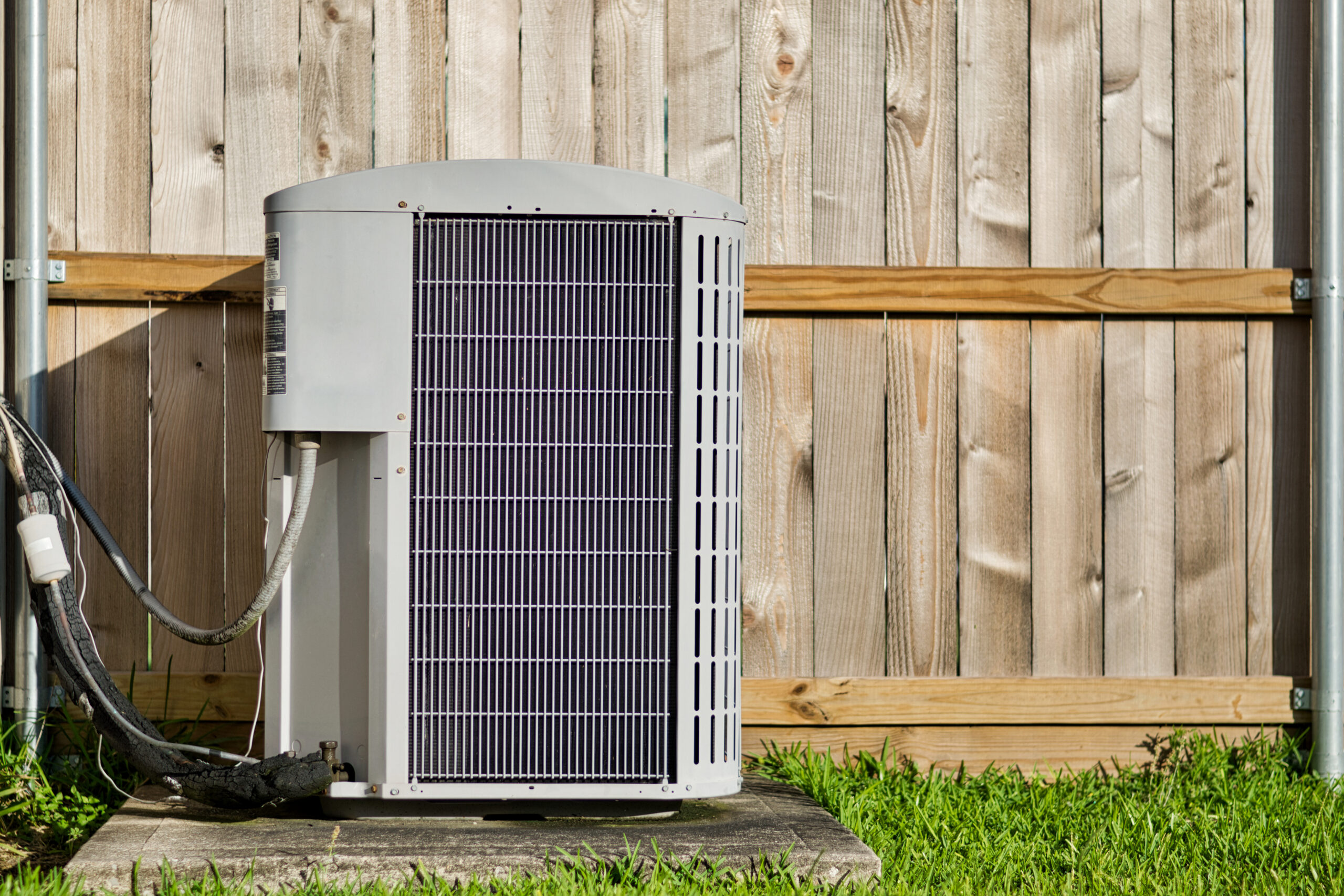
In Grand Rapids and across West Michigan, AC systems are pushed hard by humid summers, quick weather swings, and long winters. If your system runs longer than it used to, leaves rooms warm, or drives up your energy bill, it may be time to compare repair versus replacement.
This guide covers what matters most when choosing a new air conditioner, how to decide whether replacement makes sense, what to look for in a system, and what installation day looks like. Planning early can help you schedule your installation before peak cooling season fills up. Call Vredevoogd Heating and Cooling at (616) 597-6224 or request an estimate online.
AI Summary: AC Buying and Installation Guide
Quick takeaways for Grand Rapids and West Michigan homeowners
AC Repair vs Replacement in Grand Rapids: How to Decide
Not every struggling air conditioner needs to be replaced. The right decision depends on system age, repair history, efficiency, comfort, and the cost of the recommended repair. In areas like Eastown, Alger Heights, Heritage Hill, and Wyoming, we often see older systems that have lasted longer with good maintenance, but most start showing their age once they reach the 15-year mark.
That said, we do not base replacement on age alone. We look at how the system is running, what repairs have been needed, and how well it is keeping your home comfortable.
When AC repair usually makes sense
- The system is under 10 years old
- The issue is minor, such as a capacitor, thermostat, or small electrical problem
- The repair cost is less than 30 percent of the replacement cost
- The system still cools evenly and runs efficiently
- Energy bills have not increased significantly
Most newer systems still have life left, and a simple fix can often get you through several more cooling seasons.
When AC replacement is usually the better option
- The system is over 15 years old
- Repairs are becoming frequent or expensive
- Energy bills keep rising without increased usage
- Rooms feel uneven, humid, or difficult to cool
- Airflow is weak or inconsistent
- The system makes loud grinding, rattling, or banging noises
If your system checks several of these boxes, replacement usually makes more financial sense than continued repairs. Newer systems can also use significantly less energy, which can make a noticeable difference during humid West Michigan summers.
If you are not sure which direction to go, a professional inspection gives you a clear answer based on how your system is actually performing.
Understanding the Core Parts of Your AC System
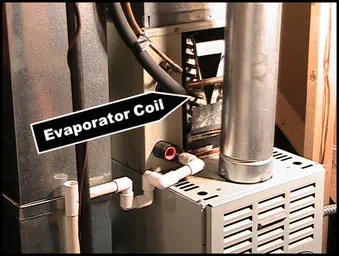
Before choosing a new system, it helps to understand how everything works together. When we are out in the field, a lot of the issues we see come back to one component not doing its job the way it should.
When you understand what each part does, it is easier to follow what your technician is explaining, and it gives you more confidence in the recommendations you are getting.
Key components in your air conditioner
-
Thermostat
Controls temperature and signals the system when to run.
-
Compressor
Moves refrigerant through the system.
-
Condenser
Releases heat outside your home.
-
Evaporator coil
Absorbs heat and removes humidity from indoor air.
-
Blower
Circulates cooled air through your ductwork.
-
Filter
Removes dust and particles from the air.
-
Fan
Pushes heat away from the outdoor unit.
If one of these parts fails, your system can lose efficiency, struggle with humidity, or stop working completely.
Single Stage vs. Two Stage Air Conditioner
Transcript:
Brian: Hey everybody Brian here with Vredevoogd Heating and Cooling I’ve got Jeremiah with me and we are talking about the differences between a single stage and a two stage air conditioner. Jeremiah, can you give me a little play by play on what the difference are?
Jeremiah: Yeah so the main difference between a single stage and a two stage is a single stage when it comes on it just runs at one speed at one speed all of the time. For the two stage it is going to start at the lower speed initially and that’s going to cost less to run its also going to allow for much more even and more efficient removal of humidity from the home compared to a single stage.
Brian: Awesome! And can anybody purchase a two stage air conditioner or does that have to be paired with a certain furnace?
Jeremiah: It does have to be paired with a two stage furnace so if you are thinking of just replacing your air conditioner you would have to get a two stage furnace with a two stage ac.
Brian: Awesome! Thanks for the information if you guys have any additional questions or want to look at some more information, take a look at our products tab. Feel free to give us a call at (616) 597-6224. We look forward to hearing from you soon. Feel free to give this video a like, follow us, share it with somebody who needs to hear about single stage and two stage air conditioners. Thanks!
Best AC Brands for Replacement
Brand selection matters, but probably not in the way most homeowners expect. From our side, installation quality and proper sizing matter more than the logo on the equipment. A well-known brand that is installed incorrectly can struggle with airflow, efficiency, and long-term reliability. A properly sized system that is installed correctly will usually run quieter, cool more evenly, and last longer, even if it is not the most expensive option on the market.
Reliable brands to consider
- Carrier
- Trane
- Lennox
- Rheem
What to Consider Before Choosing a New Air Conditioner
Choosing a new air conditioner is not just about picking a brand or matching the size of the old unit. The best system for your home depends on how the house is built, how well it holds conditioned air, how much direct sun it gets, and how your family uses the space during the summer.
Efficiency is one of the first things to compare. A higher-efficiency system may cost more upfront, but it can help lower operating costs during long stretches of humid West Michigan weather. Comfort features also matter. Some systems do a better job controlling humidity, reducing hot and cold spots, and running at quieter speeds.
You should also consider how the new system will work with your existing ductwork, thermostat, furnace, and indoor coil. If the outdoor unit is replaced but the rest of the system is not evaluated, you may miss issues that affect airflow, comfort, or long-term reliability. A thorough estimate should look at the full cooling setup, not just the equipment sitting outside.
Budget is important, but the lowest price is not always the best long-term value. A properly selected and installed system can help reduce repair risk, improve comfort, and make your home easier to cool during peak summer conditions.
Why Proper AC Sizing Matters
Proper sizing is one of the most important parts of air conditioner replacement. An oversized system may cool the house too quickly without running long enough to remove humidity. That can leave your home feeling damp or sticky even when the thermostat shows the right temperature.
An undersized system has the opposite problem. It may run constantly, struggle to keep up on hot days, and still leave certain rooms uncomfortable. This can increase energy use and place more wear on the equipment over time.
The right size depends on more than square footage. Your technician should consider insulation, window exposure, ceiling height, duct condition, layout, shade, and how the home performs during hot and humid weather. This is especially important in older Grand Rapids homes where additions, finished attics, older ductwork, or updated windows can change how the home heats and cools.
A careful sizing process helps your new system run efficiently, control humidity, and keep your home more comfortable throughout the cooling season.
What Happens During AC Installation
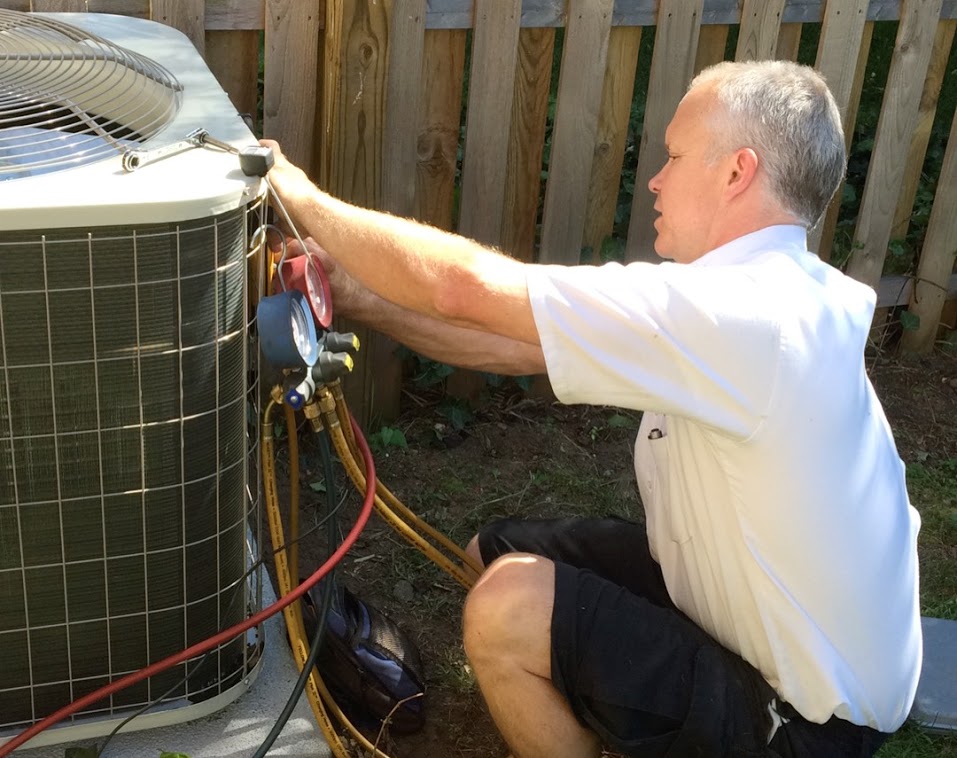
Knowing what to expect removes a lot of uncertainty. From our side, a smooth installation comes down to planning, preparation, and doing each step correctly.
Step 1: Pre-installation evaluation
Your technician measures your home, checks ductwork, and confirms electrical capacity. This ensures the system is sized correctly and helps prevent short cycling, uneven cooling, or humidity issues.
Step 2: Removing the old system
The crew disconnects power, safely removes the refrigerant, and removes the old unit. Components are properly disposed of or recycled.
Step 3: Preparing the site
The outdoor pad is leveled or replaced. Indoor components and ducts are inspected. Small upgrades may be completed to improve airflow and efficiency.
Step 4: Installing the new system
The new unit is set in place and connected to refrigerant lines, wiring, and ductwork. Connections are sealed to help prevent energy loss.
Step 5: Testing and calibration
Technicians complete several checks before the system is finished:
- Check refrigerant levels
- Test airflow
- Calibrate the thermostat
- Inspect electrical connections
- Run a full system test
This step helps make sure your system runs efficiently from day one.
Step 6: Cleanup and walkthrough
The crew cleans the workspace and walks you through system operation, maintenance needs, and warranty details.
How Long AC Installation Takes
Most standard AC installations in Grand Rapids homes take 6 to 10 hours and can be completed in one day. More involved projects may take two days if the home needs ductwork changes, electrical updates, coil replacement, or difficult attic or crawlspace access.
Older homes in areas like Heritage Hill, Eastown, and Wyoming may take longer because of tighter mechanical spaces, older electrical setups, or aging ductwork.
Scheduling in early spring can help you avoid seasonal delays and gives you more flexibility before the hottest weather arrives.
AC Installation FAQ for Grand Rapids Homeowners
How much does AC installation cost in Grand Rapids?
AC installation costs vary based on system size, efficiency rating, home layout, ductwork condition, and any upgrades needed. An in-home evaluation is the best way to get accurate pricing.
How do I know what size air conditioner I need?
Proper sizing depends on square footage, insulation, ductwork, windows, layout, and cooling needs. A professional evaluation helps prevent oversized or undersized equipment.
Is it better to repair or replace my AC?
Repair may make sense for a newer system with a minor issue. Replacement is usually better for older systems with frequent repairs, weak airflow, uneven cooling, or rising energy costs.
What is the best AC brand for Michigan homes?
Carrier, Trane, Lennox, and Rheem are all strong options. The best choice depends on your home, budget, efficiency goals, and installation quality.
How long does AC installation take?
Most AC installations take 6 to 10 hours. More complex jobs involving ductwork, electrical updates, or tight access areas can take longer.
Should I replace my furnace and AC at the same time?
It depends on the age and condition of your furnace, indoor coil, blower, and ductwork. If the furnace is older or the indoor components are not a good match for the new AC, replacing both systems together may improve efficiency, comfort, and long-term reliability.
Schedule Your AC Installation in Grand Rapids
If your air conditioner is struggling to keep up, Vredevoogd Heating and Cooling can inspect your current system, explain your repair and replacement options, and help you choose the right solution for your home.
Call (616) 597-6224 or schedule online to get ahead of the heat and prepare your home for a more comfortable summer.

About the Author
Scott VanDrunen
Operations Director
I have 23+ years of experience as an HVAC and Plumbing expert in the Grand Rapids area. I write blogs to help people understand HVAC and plumbing issues.